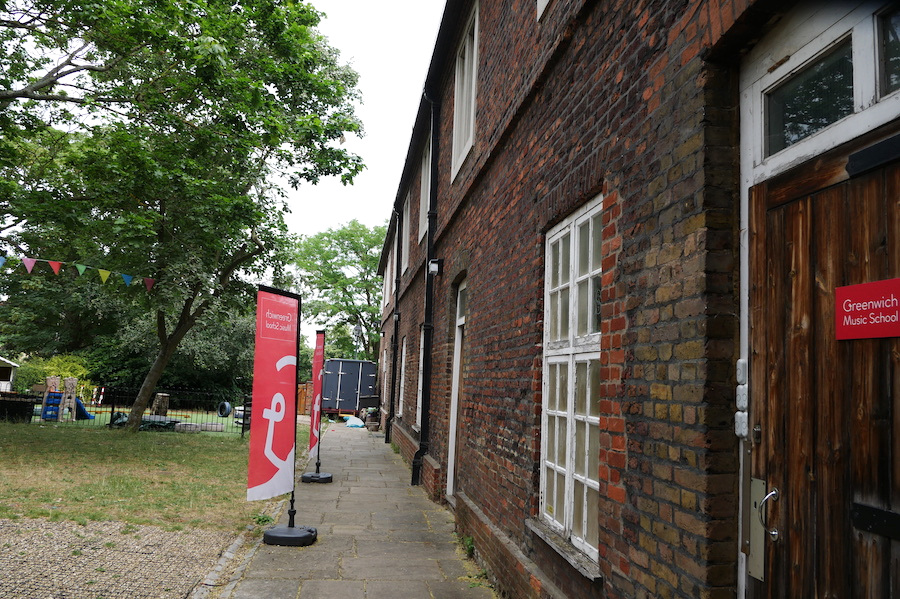
The brick exterior of The Stables at Charlton House, with Greenwich Music School signs beside the entrance.

Second lives: how we refurbished The Stables at Charlton House

September 30, 2026

A building with several lives

Look closely at the brickwork at The Stables and you'll find the letters A and N worked into the iron ties that hold the walls together. They're the initials of Sir Adam Newton, an Edinburgh baker's son who became tutor to Henry, Prince of Wales, and who built Charlton House and its stables in the early 1600s. Two of the three original stable ranges survive, facing each other across a small courtyard, and they're Grade I listed, the same grade as the house next door.

For three centuries the building did the job it was built for, and the Maryon-Wilson family were still keeping coach horses on the estate before the First World War. Until around 1820 the village green in front of the house hosted Charlton's notoriously rowdy Horn Fair every October. The fair was abolished in the 1870s, and a gentler version has come back to the grounds since 1973.

The council bought the estate in 1925 and later turned the stables into offices. In the early 1970s they housed the council's rent office, and tenants gathered outside with placards reading “stand your ground, withhold your pound!” Greenwich Carers Centre later took on the whole of The Stables and fitted out the ground floor of the east wing as spa and treatment rooms. From 2021 those rooms were charity offices, with a children's nursery upstairs. Today they're where GMS teaches.

Last summer it was our turn to adapt them. We've now had a full year of lessons in the new layout, so this is a look back at what we changed and how.

What needed to change

When we arrived, the rooms were still set up as offices, and some of what a music school needs was missing. Once we'd been teaching there for a while, our satisfaction survey made the biggest gap clear: there was no toilet on site, and families relied on facilities in neighbouring buildings, which weren't always available. Teachers had nowhere to make a drink between lessons, and the practice diaries, stationery and teaching resources lived wherever we could find a corner.

We wanted to fix both without losing a teaching room, in a Grade I-listed building where even changes inside need planning permission and a heritage statement. The Stables closed at the end of July 2025, the builders were in for most of August, and we reopened for the start of term in September.

Working with a listed building

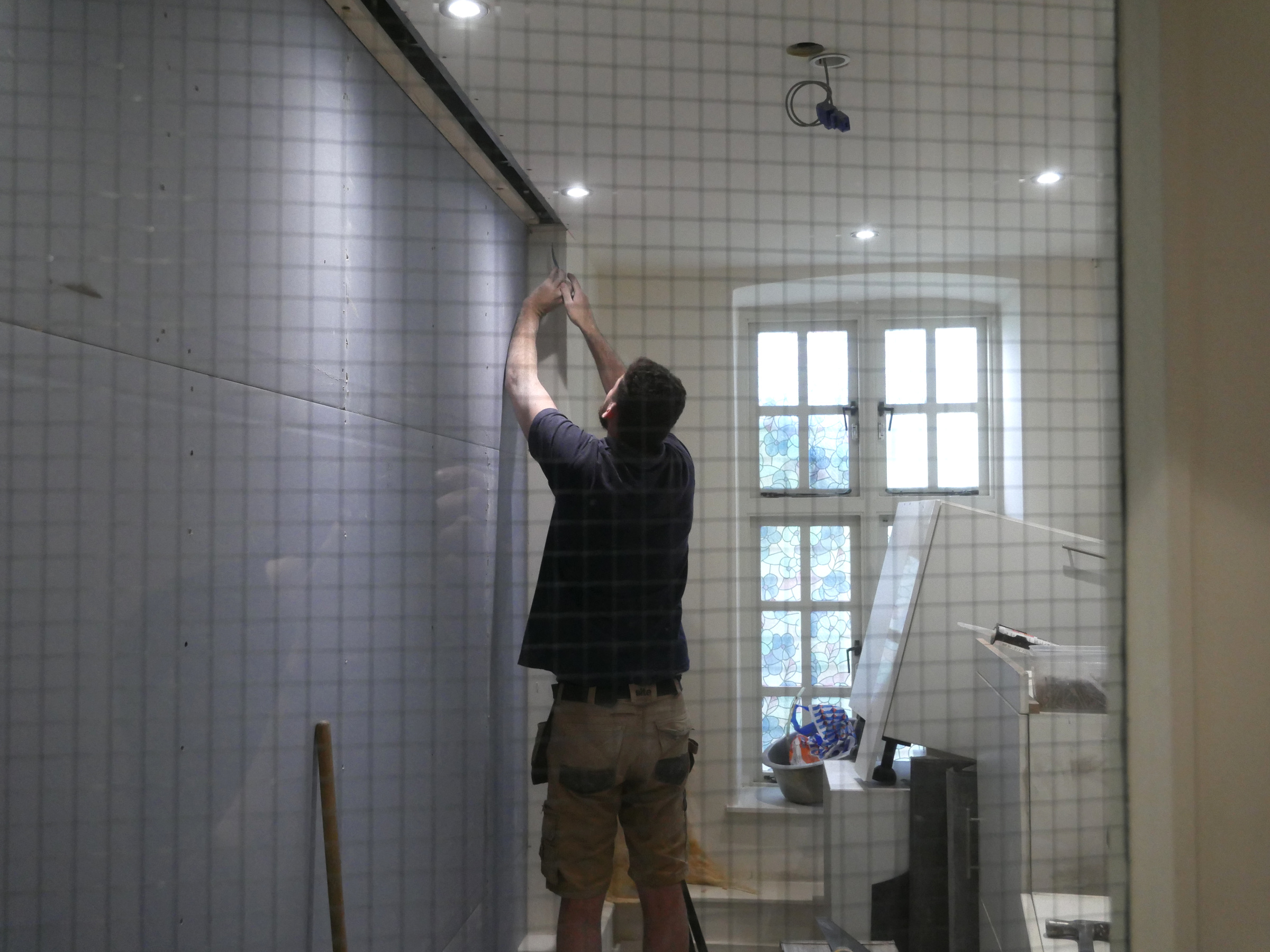
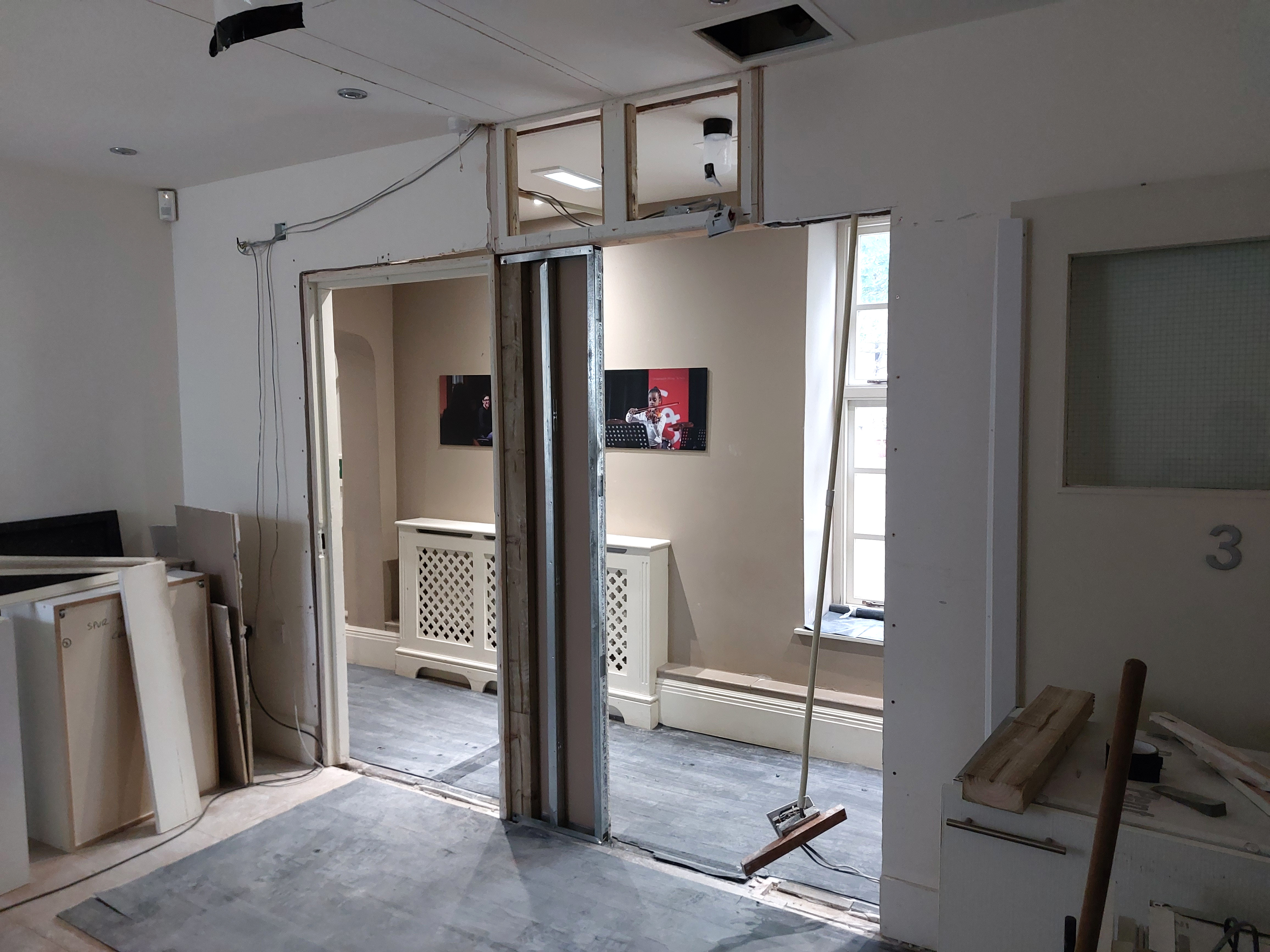
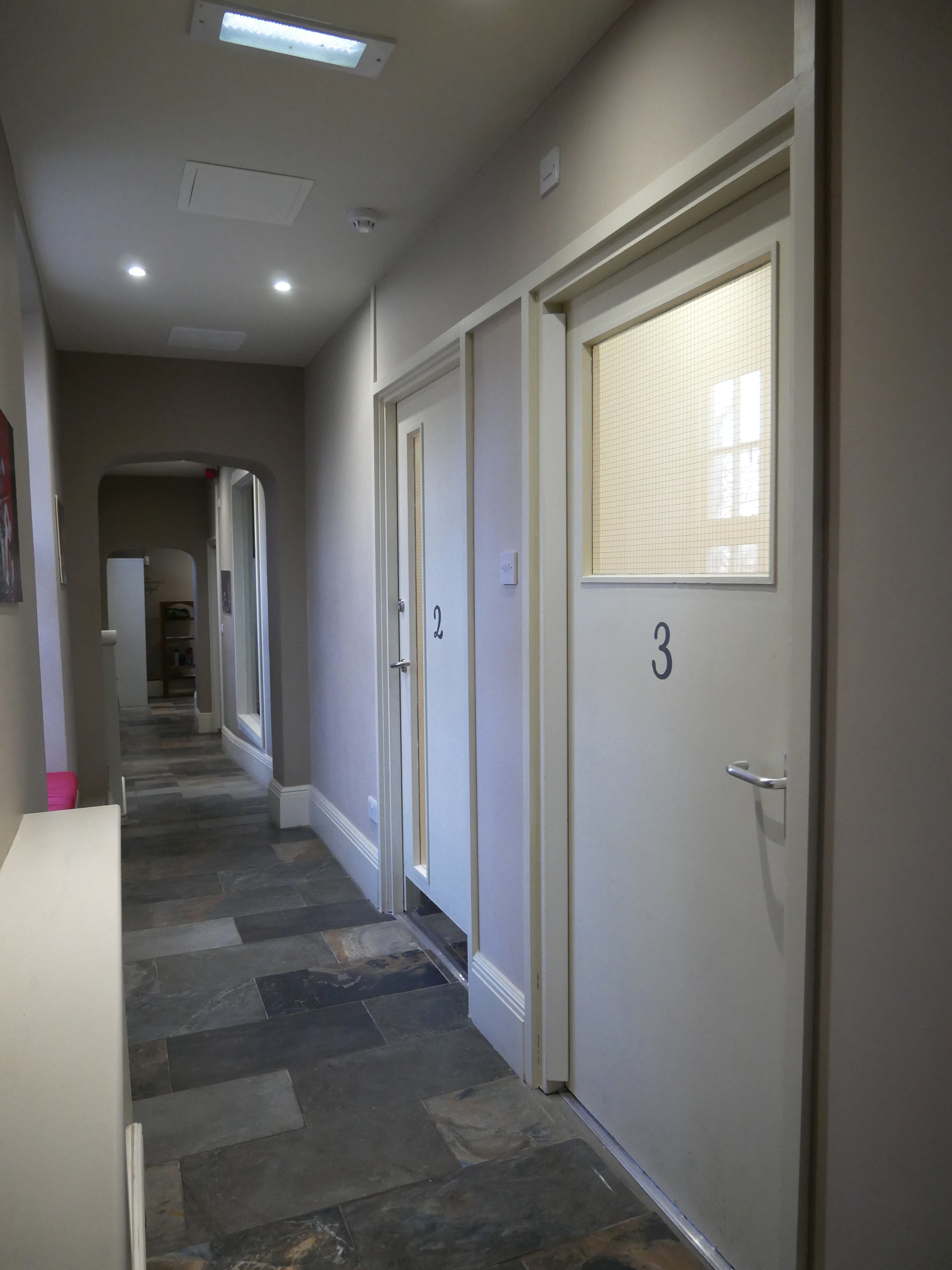
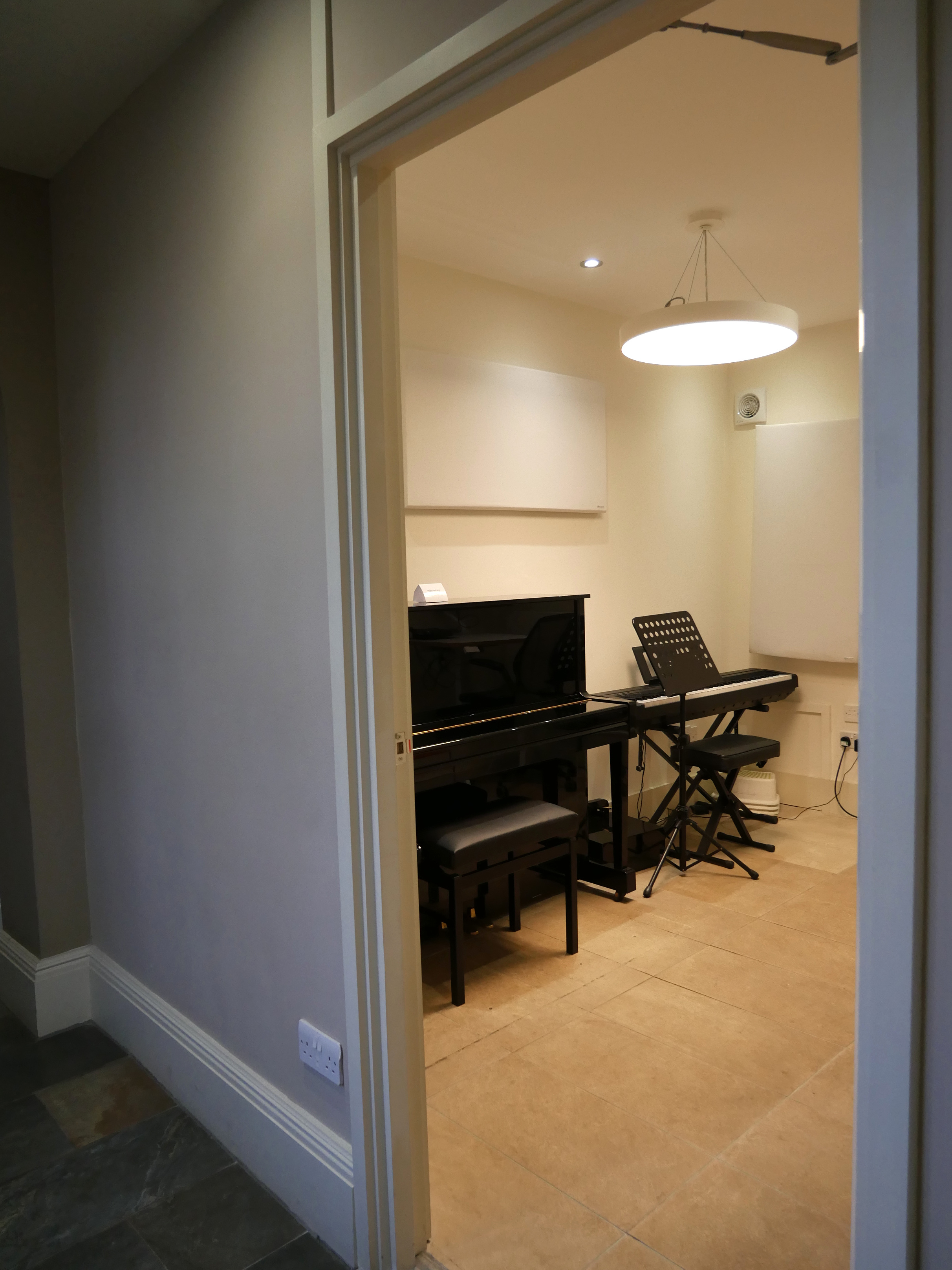
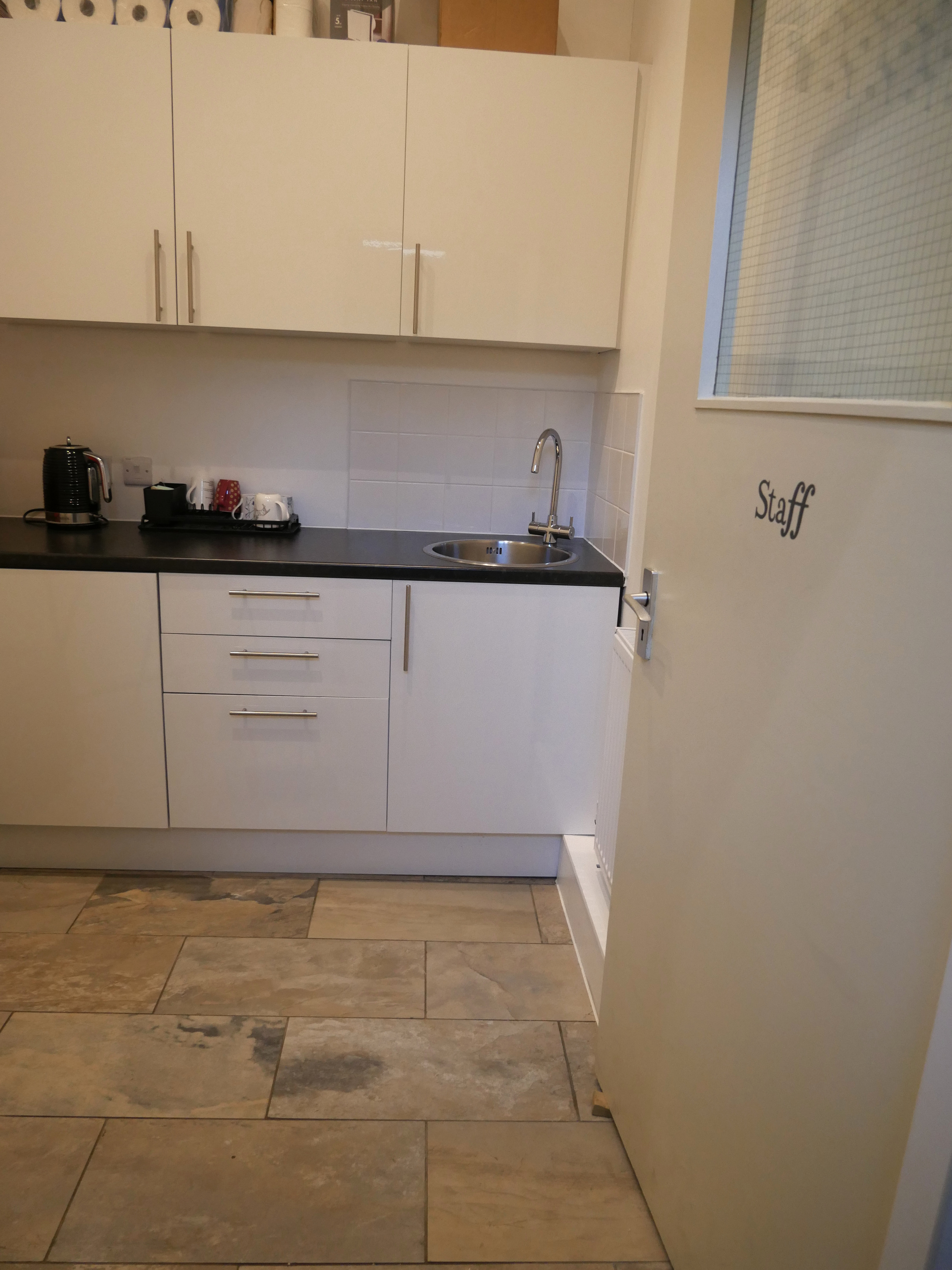
Part of one teaching room became the toilet, and the rest of it became a small staff room with a tea point. To make up the space, we divided a second room in two with an acoustic partition, so we still have the same number of teaching rooms. We upgraded the wifi and some of the lighting at the same time.

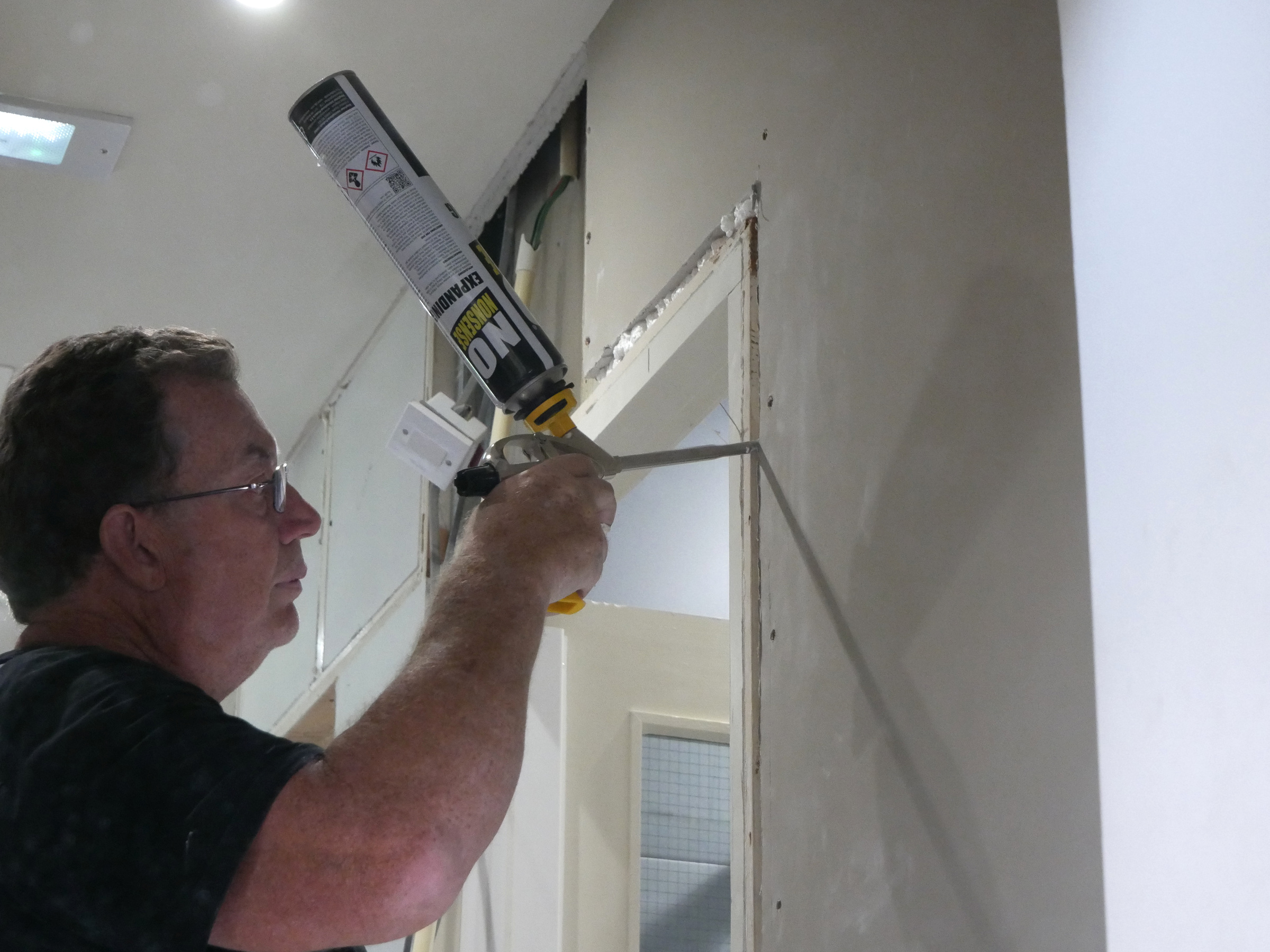
Almost everything we touched was modern: partition walls and suspended ceilings from the building's office years, rather than the seventeenth-century brickwork. The new wiring runs along the surface, and the toilet connects to a drain point that was already there. One of the doorways we needed had existed before and been blocked up during an earlier conversion in 2013, so we opened it again.

Giving materials a second life

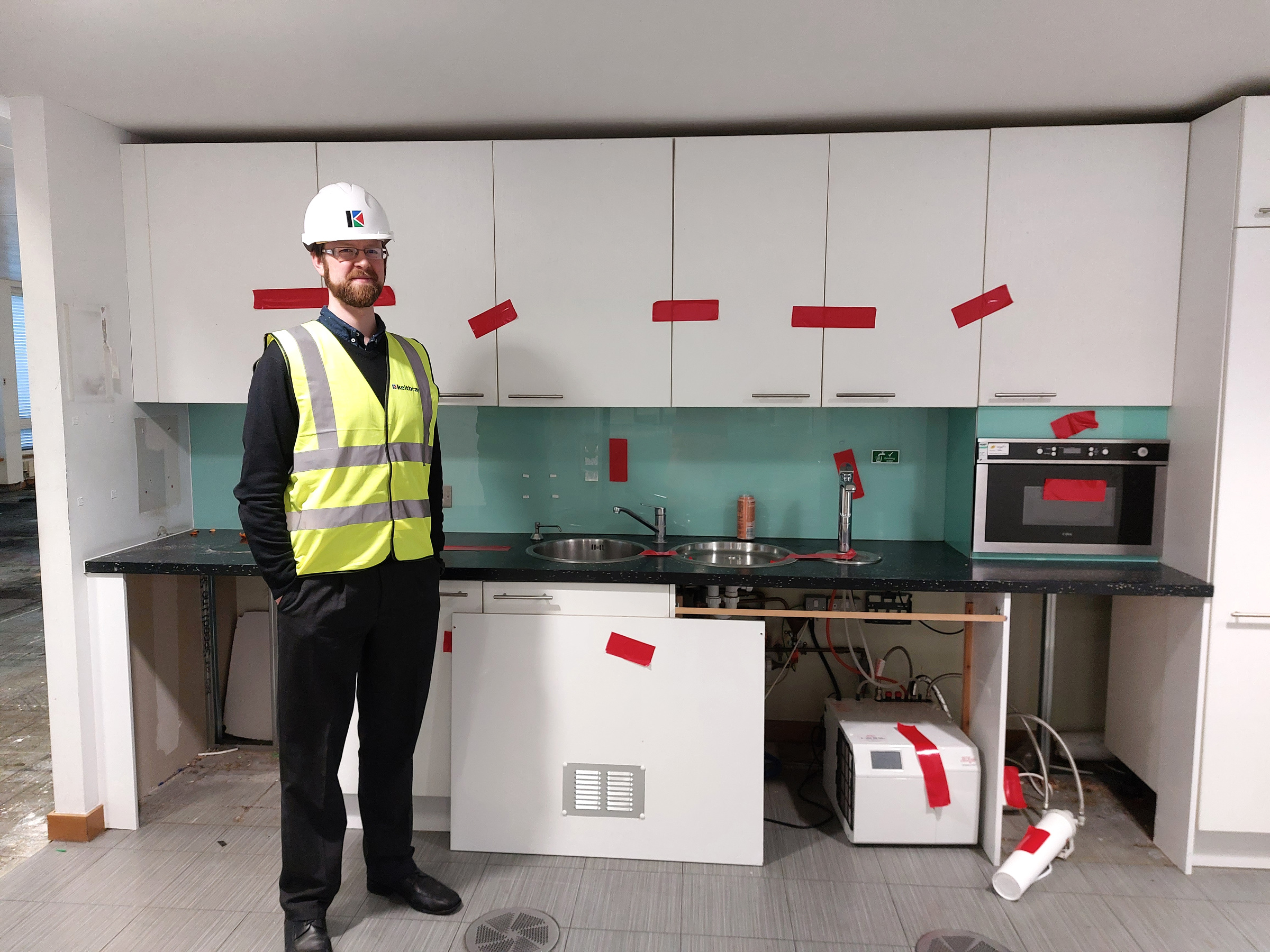
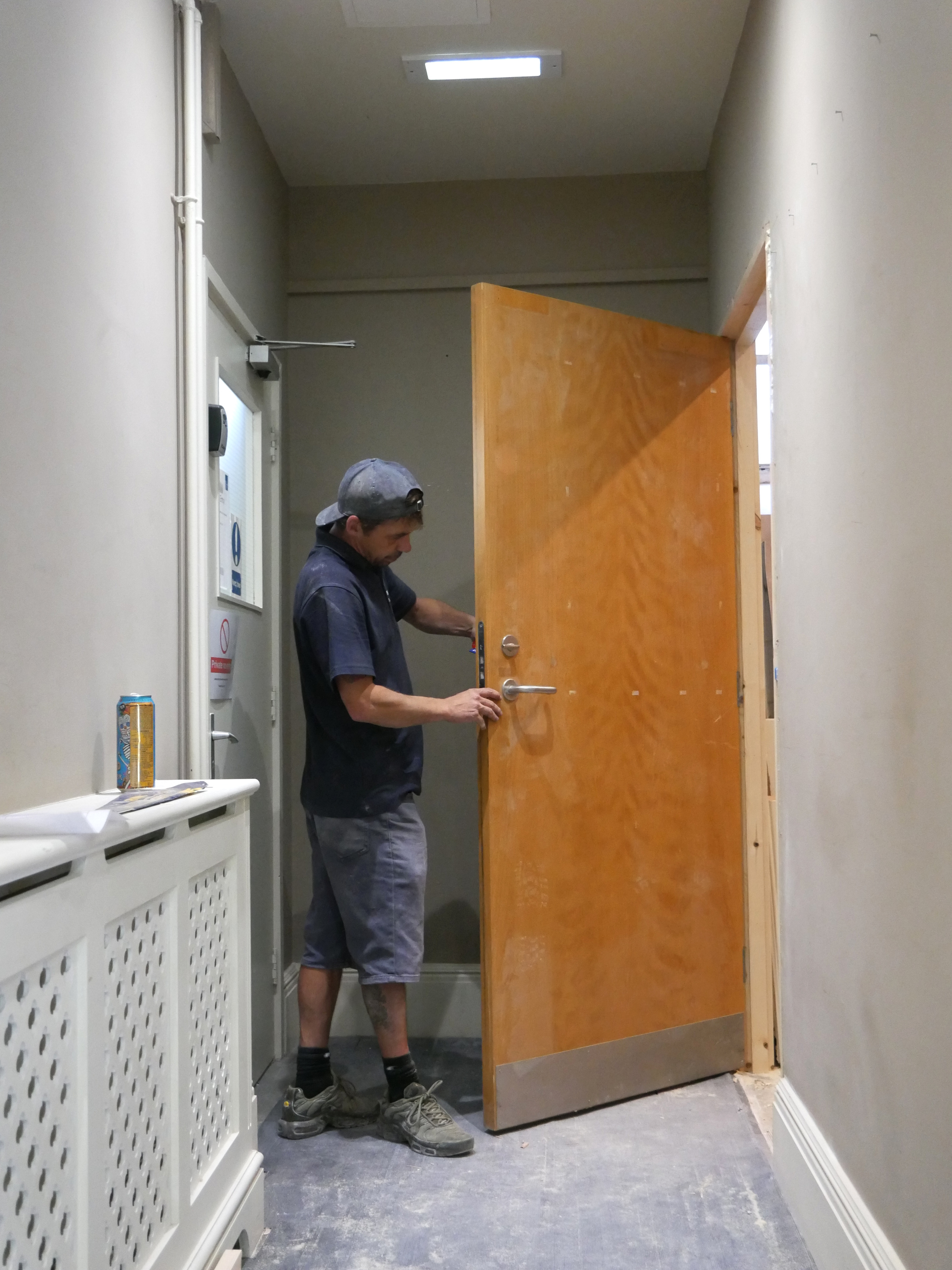
We also tried to buy as little new as we could. As a charity, we want as much of our money as possible to go on teaching, and on helping families who need support with fees, rather than on fittings. The worktop, sink and fridge in the staff room came from the Department for Business and Trade's building while it was being cleared out. We'd hoped to take the kitchen cabinets as well, but they were too big for the space, so those we bought new. Two doors came from a mayor's office, and five feature light fittings came from a nearby local council. It isn't a huge haul, but all of it still had plenty of use left in it.

One year on

A year on, the staff room is where teachers make a drink and catch up between lessons, and where the room keys and practice diaries live. When a teacher has something to celebrate, that's where the treats get left. When the building reopened, one of our teachers told us the new toilet and staff room “look amazing and are very convenient”, and another said the works “look fantastic, so it seems like it was worth the wait”.

The toilet has made a difference to families too. Not long ago, a dad came up to us at The Stables to say thank you for it. His younger son often comes along while his older brother has his lesson, and he told us it had made a huge difference.

Sir Adam Newton built all this on the rewards of teaching: his fortune came from royal patronage, earned as tutor to the heir to the throne. Four hundred years later, his stables are full of teachers, and the patrons these days are the people who donate to GMS, helping us offer bursary and scholarship places to families who need them.

If you'd like to support that work, you can find out how to donate. And if you'd like to know more about lessons at The Stables, see current courses at The Stables.
Second lives: how we refurbished The Stables at Charlton House

September 30, 2026

A building with several lives

Look closely at the brickwork at The Stables and you'll find the letters A and N worked into the iron ties that hold the walls together. They're the initials of Sir Adam Newton, an Edinburgh baker's son who became tutor to Henry, Prince of Wales, and who built Charlton House and its stables in the early 1600s. Two of the three original stable ranges survive, facing each other across a small courtyard, and they're Grade I listed, the same grade as the house next door.

For three centuries the building did the job it was built for, and the Maryon-Wilson family were still keeping coach horses on the estate before the First World War. Until around 1820 the village green in front of the house hosted Charlton's notoriously rowdy Horn Fair every October. The fair was abolished in the 1870s, and a gentler version has come back to the grounds since 1973.

The council bought the estate in 1925 and later turned the stables into offices. In the early 1970s they housed the council's rent office, and tenants gathered outside with placards reading “stand your ground, withhold your pound!” Greenwich Carers Centre later took on the whole of The Stables and fitted out the ground floor of the east wing as spa and treatment rooms. From 2021 those rooms were charity offices, with a children's nursery upstairs. Today they're where GMS teaches.

Last summer it was our turn to adapt them. We've now had a full year of lessons in the new layout, so this is a look back at what we changed and how.

What needed to change

When we arrived, the rooms were still set up as offices, and some of what a music school needs was missing. Once we'd been teaching there for a while, our satisfaction survey made the biggest gap clear: there was no toilet on site, and families relied on facilities in neighbouring buildings, which weren't always available. Teachers had nowhere to make a drink between lessons, and the practice diaries, stationery and teaching resources lived wherever we could find a corner.

We wanted to fix both without losing a teaching room, in a Grade I-listed building where even changes inside need planning permission and a heritage statement. The Stables closed at the end of July 2025, the builders were in for most of August, and we reopened for the start of term in September.

Working with a listed building

Part of one teaching room became the toilet, and the rest of it became a small staff room with a tea point. To make up the space, we divided a second room in two with an acoustic partition, so we still have the same number of teaching rooms. We upgraded the wifi and some of the lighting at the same time.

Almost everything we touched was modern: partition walls and suspended ceilings from the building's office years, rather than the seventeenth-century brickwork. The new wiring runs along the surface, and the toilet connects to a drain point that was already there. One of the doorways we needed had existed before and been blocked up during an earlier conversion in 2013, so we opened it again.

Giving materials a second life

We also tried to buy as little new as we could. As a charity, we want as much of our money as possible to go on teaching, and on helping families who need support with fees, rather than on fittings. The worktop, sink and fridge in the staff room came from the Department for Business and Trade's building while it was being cleared out. We'd hoped to take the kitchen cabinets as well, but they were too big for the space, so those we bought new. Two doors came from a mayor's office, and five feature light fittings came from a nearby local council. It isn't a huge haul, but all of it still had plenty of use left in it.

One year on

A year on, the staff room is where teachers make a drink and catch up between lessons, and where the room keys and practice diaries live. When a teacher has something to celebrate, that's where the treats get left. When the building reopened, one of our teachers told us the new toilet and staff room “look amazing and are very convenient”, and another said the works “look fantastic, so it seems like it was worth the wait”.

The toilet has made a difference to families too. Not long ago, a dad came up to us at The Stables to say thank you for it. His younger son often comes along while his older brother has his lesson, and he told us it had made a huge difference.

Sir Adam Newton built all this on the rewards of teaching: his fortune came from royal patronage, earned as tutor to the heir to the throne. Four hundred years later, his stables are full of teachers, and the patrons these days are the people who donate to GMS, helping us offer bursary and scholarship places to families who need them.

If you'd like to support that work, you can find out how to donate. And if you'd like to know more about lessons at The Stables, see current courses at The Stables.
No items found.

Most popular posts